.png)
Expert Estate Pest Control Strategies for Tongaat and Ballito Homeowners
Estate living on the North Coast of KwaZulu-Natal offers a unique lifestyle, but it also comes with specific challenges—especially when it comes to pest management. For estate managers, body corporates, and homeowners in Tongaat and Ballito, estate pest control is essential to protect properties, shared spaces, and residents from common pest threats. This blog explores effective pest control strategies tailored to estates, highlighting prevention, treatment, and ongoing maintenance to keep your estate safe and comfortable.
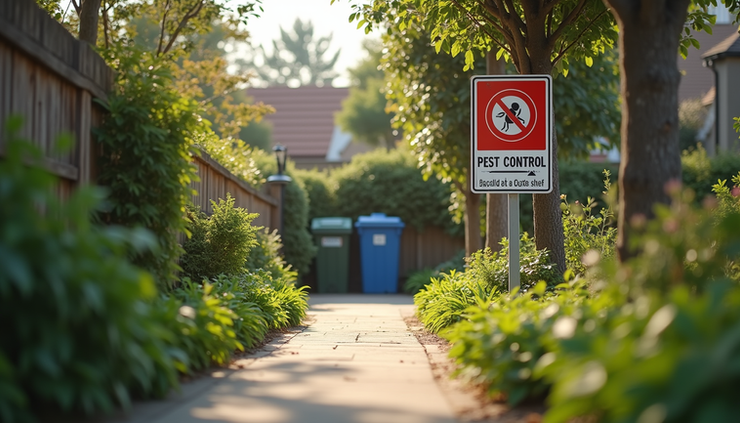
Common Pest Risks in Estates on the North Coast
Estates in Tongaat and Ballito face several pest challenges due to their climate, vegetation, and shared living environments. Understanding these risks helps in planning effective control measures.
Rodents: Rats and mice thrive in refuse areas and poorly maintained gardens. They can spread disease and damage property wiring and insulation.
Cockroaches: These pests are common in kitchens, refuse rooms, and damp areas. Cockroaches carry bacteria and trigger allergies.
Ants: Particularly sugar ants invade homes and communal areas searching for food.
Termites: KwaZulu-Natal’s warm climate supports termite activity, which can severely damage wooden structures.
Mosquitoes: Standing water in gardens or communal pools can become breeding grounds, increasing the risk of mosquito-borne diseases.
Spiders and other insects: While some are harmless, others can cause discomfort or allergic reactions.
Shared spaces such as refuse areas, gardens, and communal facilities are hotspots for pest activity. Units themselves can also harbour pests if not regularly inspected and treated.
Why Estate Pest Control Needs a Tailored Approach
Estate pest control differs from standard residential pest control because it involves multiple units, shared facilities, and open green spaces. A one-size-fits-all approach often fails to address the complexity of these environments.
Multiple stakeholders: Coordination between estate managers, body corporates, and homeowners is vital.
Shared facilities: Refuse rooms, laundry areas, and recreational spaces require regular monitoring.
Environmental considerations: Gardens and natural areas need pest control methods that protect local flora and fauna.
Legal compliance: Pest control must meet South African health and safety regulations.
Zap It Pest Control Services specialises in estate pest control on the North Coast, offering customised solutions that balance effectiveness with environmental care.
Prevention Tips for Estate Pest Control
Preventing pest infestations is more cost-effective and less disruptive than dealing with outbreaks. Here are practical tips for estate managers and homeowners:
Maintain cleanliness in shared areas: Regularly clean refuse rooms and ensure bins are sealed.
Manage garden waste: Remove fallen leaves, branches, and standing water to reduce breeding sites.
Seal entry points: Check doors, windows, and walls for cracks or gaps where pests can enter.
Educate residents: Encourage homeowners to keep units clean and report pest sightings promptly.
Regular inspections: Schedule routine checks of communal and private areas to catch early signs of infestation.
Regular Treatment Advice for Complex Pest Control
Even with good prevention, regular pest control treatments are necessary to keep estates pest-free. Zap It Pest Control Services recommends:
Scheduled treatments: Quarterly or bi-monthly treatments depending on pest pressure and estate size.
Integrated pest management (IPM): Combining chemical, biological, and physical control methods to reduce chemical use and resistance.
Targeted rodent control: Using bait stations and traps in refuse areas and gardens.
Cockroach control: Applying gel baits and sprays in kitchens and damp areas.
Termite monitoring: Installing termite baiting systems and conducting annual inspections.
Mosquito control: Treating standing water and using larvicides where necessary.
These treatments should be carried out by licensed professionals who understand the specific needs of estates in Tongaat and Ballito.
Frequently Asked Questions About Estate Pest Control
Q: How often should estates be treated for pests?
A: Treatment frequency depends on the estate’s size and pest risk but generally ranges from every two to four months.
Q: Can homeowners arrange pest control independently?
A: It’s best to coordinate with estate management to ensure treatments are consistent and effective across all units.
Q: Are the pest control chemicals safe for children and pets?
A: Licensed pest control companies use products that are safe when applied correctly. Always follow safety instructions.
Q: What should I do if I spot pests in my unit?
A: Report the issue immediately to estate management or pest control providers to prevent spread.
Q: Can pest control help with garden pests?
A: Yes, professional services include garden pest management to protect plants and prevent pests from entering homes.
Contact Zap It Pest Control Services for Reliable Estate Pest Control
Managing pests in estates requires expertise, regular attention, and a proactive approach. Zap It Pest Control Services offers comprehensive estate pest control solutions tailored to the needs of Tongaat and Ballito estates. Whether you are an estate manager, part of a body corporate, or a homeowner, our team is ready to help you protect your property and community.
Get in touch today for a free consultation and keep your estate pest-free all year round.


Comments